
Dear Sweden,
My heart sank when I heard that both your development cooperation and embassy work will be closed in Liberia by October 2026. It is a big loss to Liberia and to me it feels personal! As I pause to look back on your admirable journey with post-war Liberia, my thoughts return to the bone-chilling Scandinavian cold of February 2008, when I first stepped into Uppsala for a Sida sponsored international training program in human rights, peace and security. I remember the quiet dignity of the city—the serene river, the towering cathedral, the sense of order and purpose woven into everyday life. It was more than a trip; it was an awakening. In Uppsala, I first understood how values, when pragmatically applied, can shape institutions, nurture peace, and inspire justice. That experience planted in me the seeds of possibility—seeds that would later take root in who I am today. Sweden eventually became the country I have travelled to the most (6 times), and other than my native land Liberia, it feels like home.
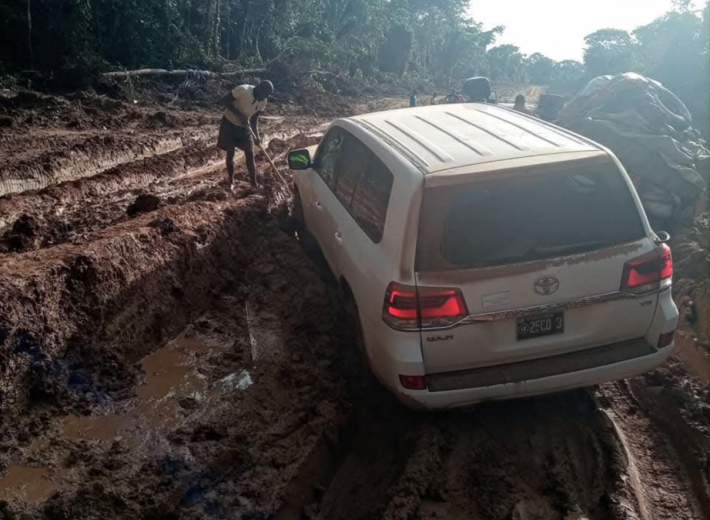
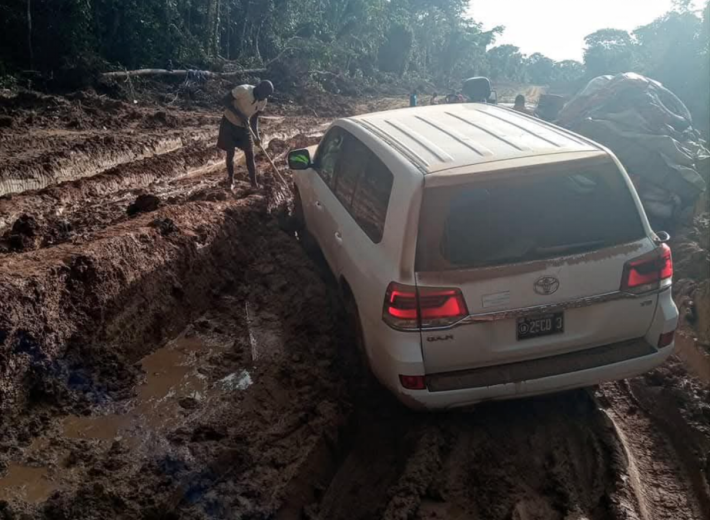
In 2015, I took a job at the Embassy of Sweden near Monrovia, and for nearly nine years I worked with the Embassy as Program Officer for Private Sector Development, Trade and Employment. It was not simply a professional assignment; it was a shared journey of conviction—of believing that development is not an abstract concept but a lived reality shaped by opportunity, dignity, and partnership. From the long strategy sessions to the field visits through muddy roads all across the fifteen political sub-division of Liberia, Sweden’s quiet insistence on human development, inclusion, accountability, and human-centered progress became part of my own understanding of what sustainable change truly means.
Today, when I look across Liberia, I see traces of this partnership etched in lasting ways. I see it in Lofa, where the worn-out and ruin Voinjama Multilateral High School was transformed and restored to a state-of-the-art vocational training institution, and this will open pathways for young people to build livelihoods with their own hands for many years to come. I am extremely proud to have been the program officer who oversaw that development from a concept note to a school fully equipped for technical and vocational learnings. I see it in Liberia’s WTO accession, where Sweden was eager to help Liberia get back into the multilateral trading system as a country that was still dealing with the spoils of its armed-conflict. This support was meant to help Liberia build its capacity and institute reforms that strengthened Liberia’s ability to stand confidently in the global economy; and I am also proud to have been one of the program officers that worked on this. I see it in Naymote’s Young Political Leaders Program, where a new generation of Liberians are learning that leadership is service, not privilege. And I see it in Mercy Corps’ innovative youth development programs, where creativity, resilience, and entrepreneurship offered alternatives to despair and helped unlock the immense potential of our youth.
These are not isolated achievements; they are threads of a shared story—one in which Sweden’s humility, consistency, and long-term vision helped shape tangible change. The impact is not only institutional but deeply human. It lives in thousands of young people who acquired a skill, in scores of entrepreneurs who found a chance, in impoverished communities that learned to believe again in their own capacity to grow.
As I reflect, three lessons stand out—lessons I will carry with me always:
Development is most powerful when it is patient and intentional. Real change takes time—time to understand, to adapt, to build trust. Sweden taught Liberia, and taught me, that patience is not passive; it is an investment in meaningful outcomes.
Partnership is strongest when grounded in respect. The Liberia–Sweden partnership thrived because it honored local voices and local leadership. It showed that respect is not a courtesy—it is a strategy.
Opportunities given to young people reshape the future of nations. Whether in politics, entrepreneurship, or vocational training, empowering youth is not a programmatic choice; it is a generational commitment.
Thank you, Sweden, for shaping my journey and for leaving footprints across Liberia that will endure long after projects have closed and reports have faded. This reflection is both a memory and a promise—to continue carrying forward the values that you helped instil in me.
I am confident that Liberia will still thrive in your absence. The United Nations Mission in Liberia at its peak was spending around US$500 million in Liberia annually, it left and Liberia survived. USAID left leaving a void of approximately US$ 100 million annually and Liberia is still surviving. Sweden will leave with its US$ 20-30 million annually and Liberia will still survive.
With a life-time of gratitude and respect,
Prutus Sackie
The post A Letter to Sweden appeared first on FrontPageAfrica.










Leave a Reply