
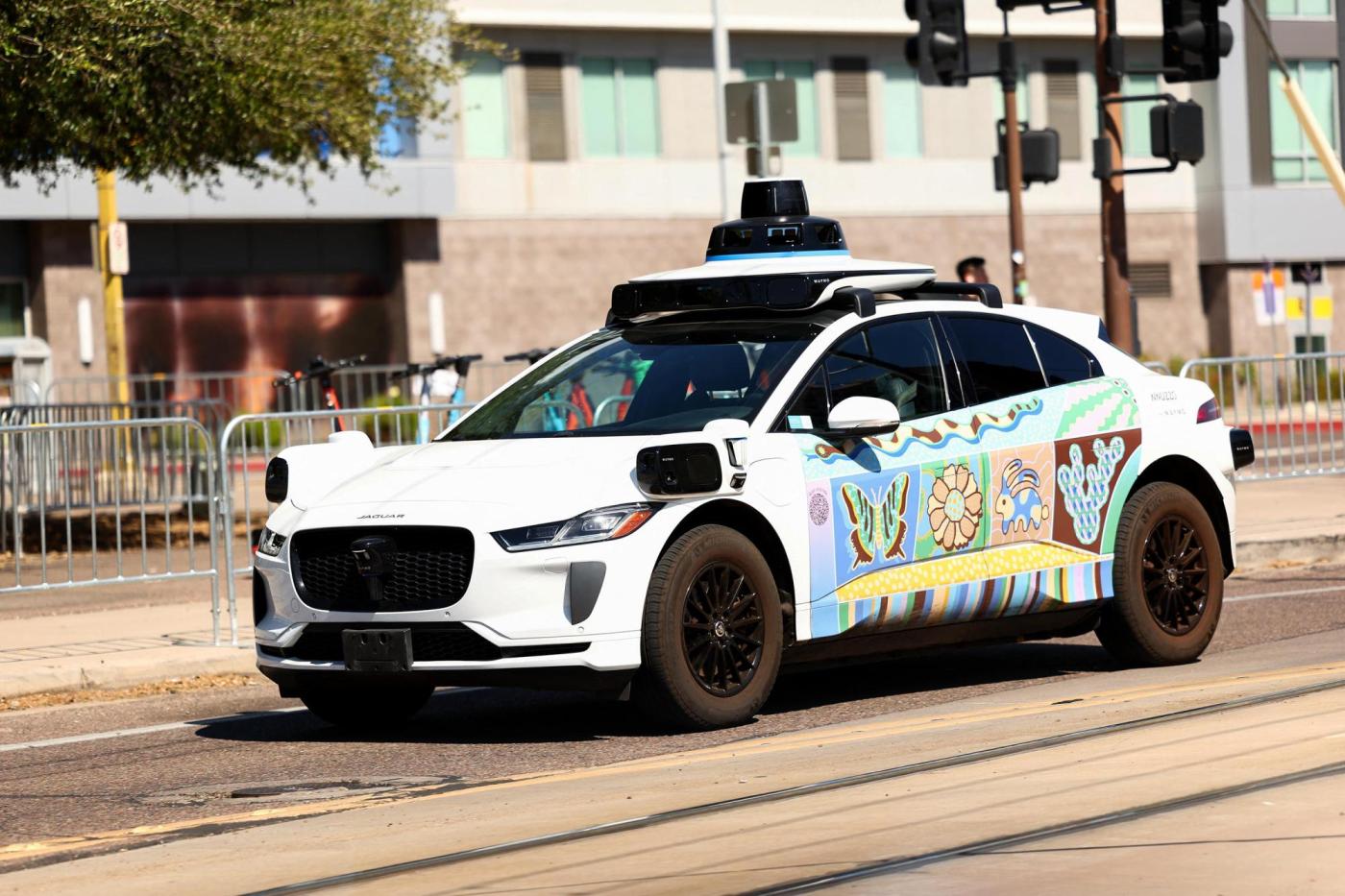
Driverless vehicles no longer exist solely in spy movies and futuristic dreams. In fact, Solano County streets are one step closer to a future that features these self-driving “robotaxis.”
The autonomous driving technology company, Waymo — formerly the Google self-driving car project — recently received approval by the California Department of Motor Vehicles to begin testing in seven Solano County cities. Approved locations are:
- Vallejo
- Vacaville
- Fairfield
- Benicia
- Dixon
- Suisun City
- Rio Vista
The news comes as part of a major wave of approval to expand testing in Northern California areas, including several cities in the Sacramento region and Yolo County.
RELATED: Waymo robotaxis blink out and block traffic in SF blackout. What happens in the next emergency?
Though the DMV’s approval progresses the deployment of vehicles, the company still requires a permit from the California Public Utilities Commission before it can start officially offering paid public rides in these new areas. The thought of Waymo vehicles soon navigating Solano County roads, however, brought mixed emotions from residents.
Vallejo City Councilmember Helen-Marie “Cookie” Gordon, a longtime advocate for equal access to transportation, looks to the opportunity with optimism.
“To be completely transparent, I’m excited about any entrepreneurial opportunity that can help strengthen our local economy, especially when it supports long-term prosperity for the cities being represented,” said Gordon, who also serves on the SolTrans Board of Directors as an appointee, advocating for service to South Vallejo.
“This conversation is particularly relevant given that transportation, especially reliable evening and weekend transportation, continues to be a challenge in Vallejo,” said Gordon. She says expanding opportunities through “innovative mobility solutions, including options like Waymo testing,” she said, “could be highly beneficial for Vallejo.”
The California DMV site shows that 2021 and 2024 Jaguar I-Pace models or 2022 and 2025 Zeekr RT models of Waymo vehicles are approved to “conduct driverless testing and deployment operations” in the approved cities.
In testing, the company aims to observe real-world situations and gather data on factors such as weather conditions, regional driving habits, road types, and infrastructural differences. Each vehicle comes fully equipped with a “sensor suite,” which uses LiDAR — laser pulses used to measure object distance and provide 3D mapping — cameras, and radar.
With its 360-degree view, the vehicles aim to observe and test reactions to situational conditions — pedestrians crossing, unique weather conditions, road hazards, construction, and how to react in the case of police sirens, etc.
Although partnerships with SolTrans and the Solano Transportation Authority (STA) have helped to bring improvements to SolTrans after-hours and weekend service, says Gordon, “neither currently provides around-the-clock transportation.” As a result, “access remains a challenge for many residents.”
In the case that these operations are thoughtfully implemented, Gordon was optimistic that the inclusion of driverless vehicles could “improve access, support residents, and further stimulate local economic activity.” On the other end of the spectrum, residents like community advocate David Marsteller Jr. are a bit more leery about the integration.
“How durable are their systems?” he asked, wondering how the vehicles might “handle Vallejo’s legendary potholes.”
Compared to Lyft and Uber — which utilize a driver and therefore provide a job — Marsteller questioned whether Waymo’s driverless vehicles could potentially contribute to limiting opportunities for app-based drivers.
“With Solano County losing a refinery and Budweiser plant, people will probably be looking to do more gig jobs,” he said. “So my thoughts are, it could take business from Uber and Lyft drivers. Solano County will have a shortage of jobs.”
And with the city’s “legendary” potholes, he added, “Will the Vallejo public be at risk of Waymo cars losing control when these driverless cars are hitting potholes? Couldn’t that mess up the sensory system?”
There is currently no public timeline set yet for the Solano County launch.
The Mercury News









Leave a Reply