
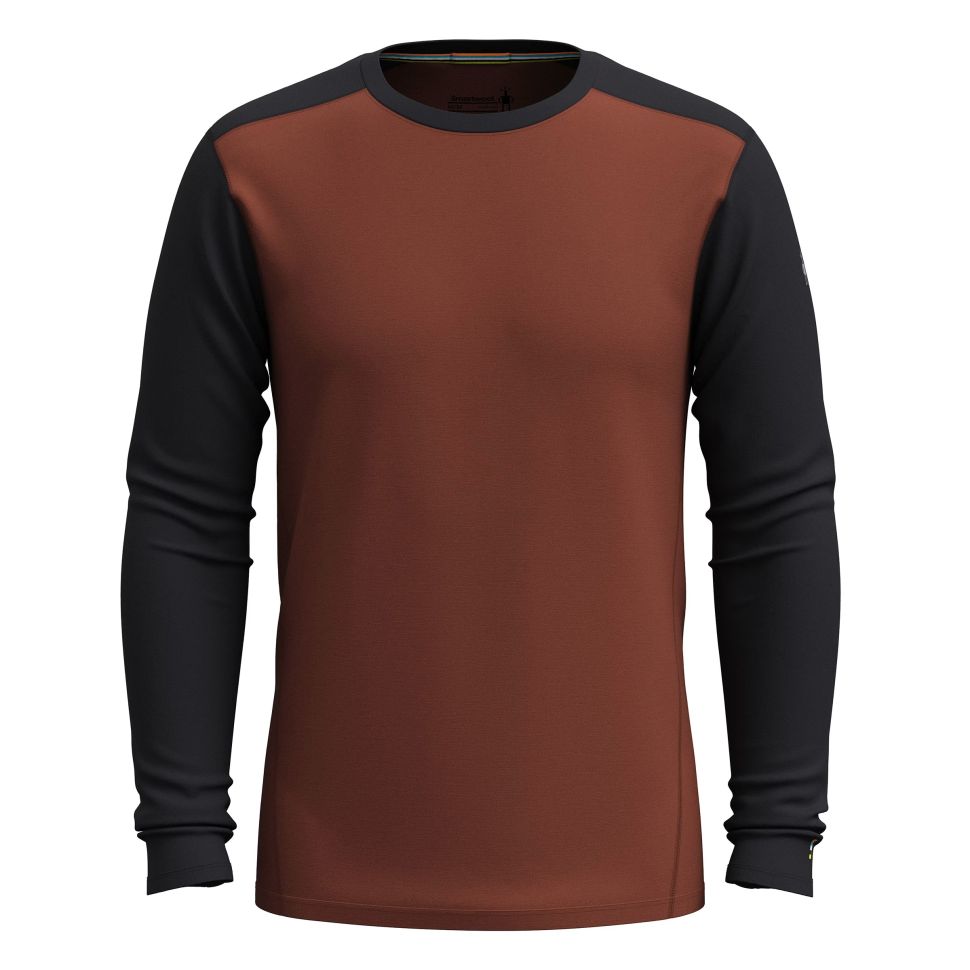
The outer shell gets all the glory, but the piece that decides whether your day goes well is the one you pull on first. A base layer is the next-to-skin part of the system, the thing that sits closest to your body, manages sweat before it turns icy, and traps just enough heat to keep you functional instead of furious. Get it right and your back stays warm on the lift, a skintrack sweat never becomes a shiver, and an overnight flight feels marginally less like a hostage situation. Get it wrong, and you spend the day in a damp, clingy, synthetic regret sock.
For most guys, “base layer” now means a whole category, not just long johns from a ski shop. There are close-cut tops that disappear under a shell, hooded layers that double as sun protection and makeshift balaclavas, and bottoms that sit cleanly above your ski boots instead of balling up in your socks. What qualifies them as base layers is simple: they are designed to be worn next to skin, to wick moisture away from it, and to work under at least one more layer without bunching or fighting your jacket.
Fabric is the other big variable. Merino wool handles odor and all-day wear. Synthetics dry fast and take abuse. Blends try to borrow the best traits from both. Most brands list a GSM (grams per square meter) number, which essentially represents the density of the fabric. Lower GSM feels lighter and cooler, while higher GSM feels thicker and warmer. The point of this guide is to cut through the noise and match the right tops, bottoms and hoodies to the way you actually live in winter, then build the rest of your kit around that first layer.
The Best Base Layers for Winter
-
Smartwool Classic All-Season Merino Base Layer Long Sleeve -
Arc’teryx Rho LT Crew -
Patagonia Capilene Midweight Crew -
Ibex Woolies Pro Tech Crew -
Icebreaker Merino 200 Oasis Long Sleeve Crewe Thermal Top -
Ortovox 185 Rock’n’wool Long Pants -
Ridge Merino Pursuit Ultralight Hoodie -
REI Co-op Midweight Half Zip -
Helly Hansen Lifa Stripe Long-Sleeve Crew Base Layer
Smartwool Classic All-Season Merino Base Layer Long Sleeve
If you only buy one base layer top, make it this one. The Classic All-Season features a light 150 GSM merino-nylon blend that feels soft, breathes well and repels odors in a way synthetics only dream about. It’s slim without being sprayed on, with a hem that stays tucked under a pack hipbelt. On the trail, it works as a true next-to-skin layer; in town, it passes with jeans and a bomber without looking technical.

Smartwool
Arc’teryx Rho LT Crew
This is what you wear when the weather forecast is sarcastic. A midweight brushed synthetic fleece, it feels almost indecently soft against the skin but runs impressively warm for its five- to six-ounce weight. The fit is trim and articulated, so it doesn’t bunch under a slim ski shell, and the stretch lets you move without fighting the fabric.

Arc’teryx
Patagonia Capilene Midweight Crew
Capilene Midweight is the benchmark synthetic layer for people who sweat. The recycled polyester fabric wicks fast, dries faster and stands up to years of use without bagging out. It has a subtle grid on the inside that traps just enough warmth for cool runs and touring days, but it never feels swampy. The cut is slim, featuring gusseted underarms and low-profile seams that blend seamlessly under a pack or harness.

Patagonia
Ibex Woolies Pro Tech Crew
This is merino for people who usually hate merino. Ibex spins a fine wool-nylon blend that comes out smooth, stretchy and impressively itch-free. The Pro Tech sits in that sweet spot between ultralight and midweight, offering enough warmth for cool mornings and breathability for long climbs or tempo runs. The fit is true to next-to-skin, with raglan sleeves and thumb loops that make layering effortless.

Ibex
Icebreaker Merino 200 Oasis Long Sleeve Crewe Thermal Top
At roughly 200 GSM, this top serves as a genuine midweight merino top, warm enough for most ski days but still breathable on a hike. The fabric feels soft rather than fuzzy, and the simple crew neck cut complements everything from flannel to a full alpine shell. It packs small, resists smell and doubles nicely as a sleep shirt, which is exactly why long-distance hikers and guides keep rebuying it.

Icebreaker
Ortovox 185 Rock’n’wool Long Pants
These are what you put on when it’s nuking outside and you still plan on making first chair. Cut from 100 percent 19-micron merino, they stay soft next to skin, regulate heat on the climb, and don’t turn into a biohazard by day three of a hut trip. The regular fit slides cleanly under bibs, and the split-color pattern with contrast waistband keeps them feeling like gear, not generic long johns.

Ortovox
Ridge Merino Pursuit Ultralight Hoodie
For guys who overheat easily but still need coverage, the Pursuit is a pro move. A very thin merino-poly blend keeps weight down and breathability high, while a scuba-style hood and thumb loops add real-world utility. It’s ideal for shoulder-season running, spring touring and sun-baked high-altitude hikes where you want long sleeves without cooking. The cut is slim and long, so it stays put under a pack.

Ridge
REI Co-op Midweight Half Zip
The REI Midweight Half Zip is the sensible friend in the group. It’s a straightforward polyester midweight with a soft interior, a zip neck for venting and thumbholes for layering. It’s heavier than the premium pieces here, but that mass translates into real warmth for car camping or cold-weather hikes. It doesn’t have the odor control of merino or the flashy branding, yet it will quietly do the job for years at a very forgiving price. If you’re building a kit from scratch, this is a smart starter.

REI
Helly Hansen Lifa Stripe Long-Sleeve Crew Base Layer
The Lifa Stripe is the base layer equivalent of a race flat. Lightweight, very breathable and quick-drying, it’s designed for individuals who view winter as a training block rather than a hibernation period. The synthetic fabric moves sweat off your skin in a hurry, which means it shines on big days when you’re constantly on the move.

Helly Hansen
Observer








Leave a Reply