
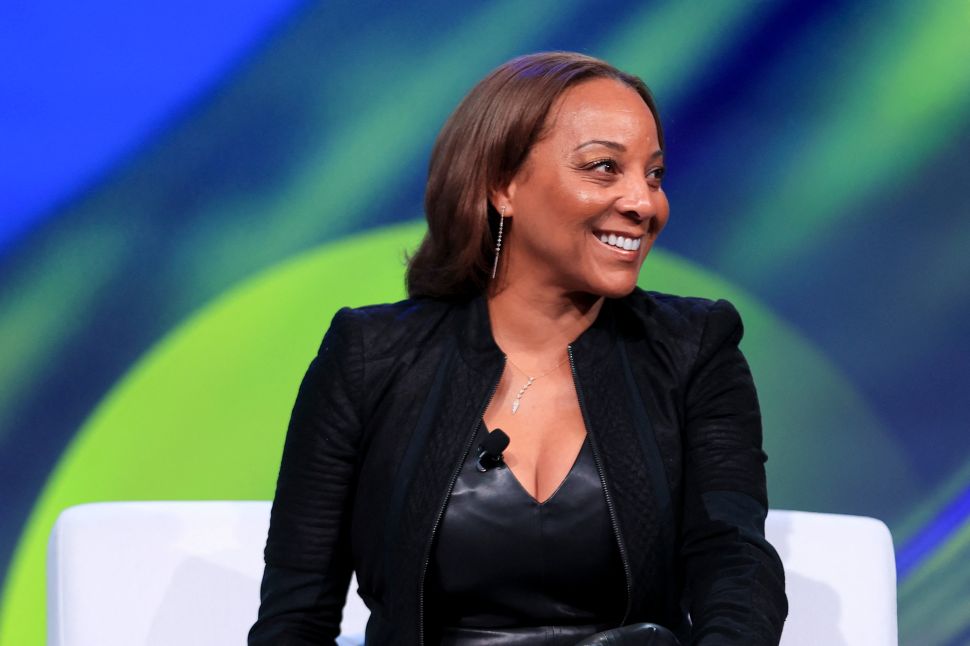

Waymo, a leader in autonomous driving, has secured $16 billion in fresh funding, valuing the company at a whopping $126 billion—nearly three times its most recent valuation of $45 billion in 2024. “This infusion of capital will ensure we are positioned to move forward with unprecedented velocity,” Waymo’s co-CEOs Tekedra Mawakana and Dmitri Dolgov said in a joint blog post yesterday (Feb. 2).
Waymo was spun out of Google in 2016 and now operates as a subsidiary of Google’s parent company, Alphabet. Alphabet remains Waymo’s “majority investor,” the company said. In addition to Alphabet’s “strong sustained support,” the latest round was led by Dragoneer Investment Group, DST Global and Sequoia Capital. Other participating backers include Andreessen Horowitz, T. Rowe Price, Kleiner Perkins and GV.
Waymo is currently the only company operating robotaxis at scale on public roads in the U.S., and it’s expanding rapidly. Its service is available in Austin, Phoenix, Atlanta, Los Angeles, and San Francisco. Last month, it added a sixth city: Miami. The company currently operates more than 400,000 weekly rides across these cities.
Waymo, which equips vehicles with specialized software, sensors and cameras, currently offers autonomous rides in electric Jaguar I-Pace SUVs. Going forward, it plans to integrate its technology into vehicles from Chinese EV brand Zeekr, Hyundai and Toyota.
Last year, Waymo vehicles completed 15 million rides, bringing the total since inception to over 20 million. “We are no longer proving a concept; we are scaling a commercial reality,” said Mawakana and Dolgov.
Unlocking new cities, countries and roads
In 2026, Waymo plans to expand into more cities, including Dallas, Denver, Seattle, Nashville and Washington, D.C. It’s also looking to launch service in Tokyo and London. In addition, it’s begun testing highway drives through employee trials across U.S. cities in a bid to eventually expand beyond surface streets and unlock new ride opportunities, such as airport trips.
Beyond detailing Waymo’s rapid expansion plan, the co-CEOs touted the company’s “industry-leading safety standards.” Waymo cars have led to 90 percent fewer serious injury crashes than average human drivers over their 127 miles of autonomous operation, according to Waymo’s internal data.
That doesn’t mean Waymo’s record is completely clear of safety incidents. The company has so far been involved in two fatal crashes—although its vehicles were not responsible in either case—and is being probed by both the National Highway Traffic Safety Administration and the National Transportation Safety Board for a recent incident involving a struck child and a pattern of Waymo cars illegally passing stopped school buses.
The global robotaxi fleet is expected to surge to between 700,000 and 3 million vehicles over the next decade, according to an estimate by Boston Consulting Group. Robotaxis are expected to capture up to 85 percent of trips currently operated by traditional ride-hailing or taxi operations in large markets, the consulting firm projects.
Waymo faces competition from Big Tech and startups. Elon Musk’s Tesla has branched into self-driving in recent months, launching roughly 60 human-supervised robotaxis in Austin last year. Amazon subsidiary Zoox currently operates around 50 self-driving vehicles in the U.S. The Toronto-based Waabi recently announced plans to eventually deploy some 25,000 robotaxis as it expands beyond autonomous trucking.
For now, Waymo remains at the front of the pack. “This capital underscores that the age of autonomous mobility at scale has arrived, and Waymo is leading the way,” said Mawakana and Dolgov. “We have demonstrated that our technology is not just the most advanced manifestation of A.I. in the physical world, but a vital service that people have come to rely on in their daily lives.”
Observer


Leave a Reply