
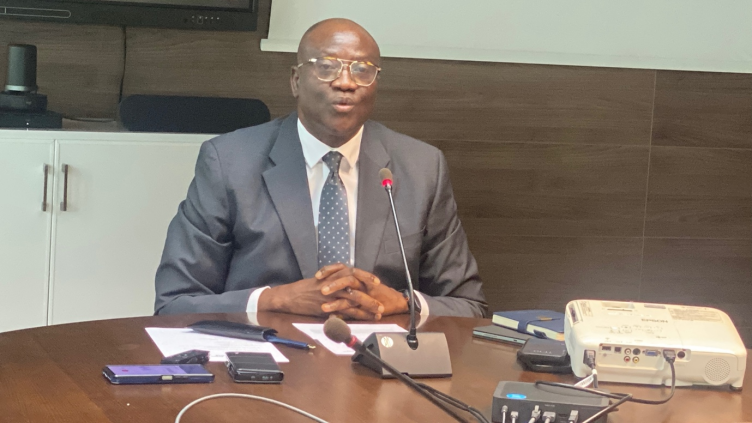
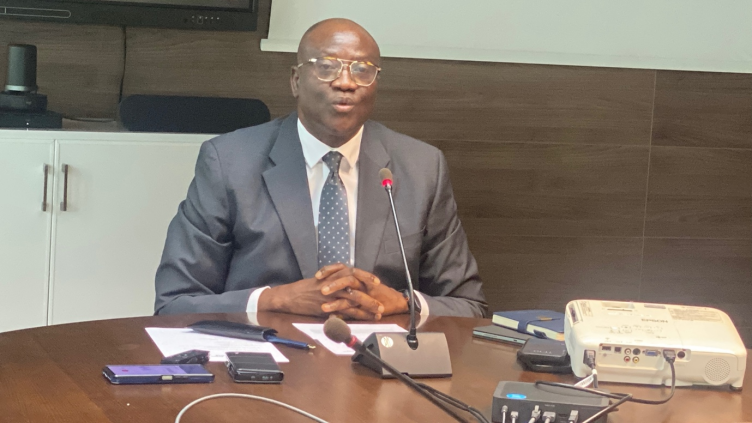
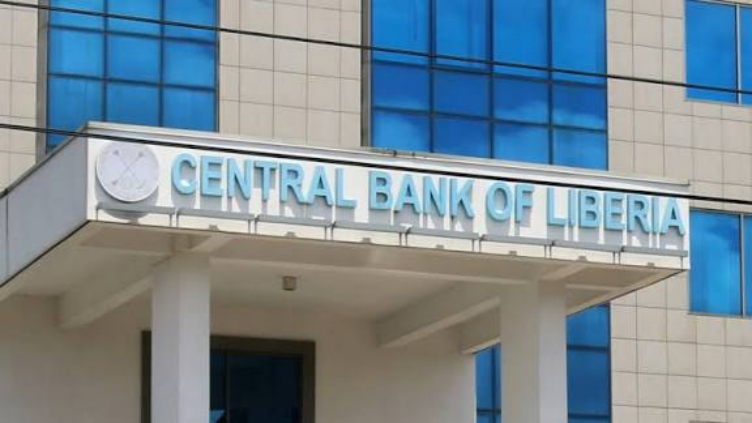
Monrovia – The Central Bank of Liberia (CBL) has maintained its Monetary Policy Rate (MPR) at 16.25 percent, expressing confidence in the continued moderation of inflation and the resilience of the domestic economy, following its Monetary Policy Committee (MPC) meeting held on January 28, 2026.
In a communiqué issued after the meeting, the MPC said the decision reflects sustained macroeconomic stability, declining inflationary pressures, and improved market confidence, despite lingering global and regional risks.
The Committee met to assess macroeconomic developments during the fourth quarter of 2025 and to determine the appropriate monetary policy stance for the first quarter of 2026.
Global Economy Shows Resilience, Risks Persist
The MPC noted that the global economy remained resilient in the fourth quarter of 2025. According to the International Monetary Fund’s January 2026 World Economic Outlook, global growth was estimated at 3.3 percent in 2025 and projected to remain at the same level in 2026.
However, the Committee flagged downside risks including geopolitical tensions, rising protectionism, fiscal sustainability concerns, tighter immigration policies affecting labor supply, and potential financial market adjustments.
Sub-Saharan Africa recorded the highest inflation rate globally at 13.3 percent, compared with 2.5 percent in advanced economies and 5.2 percent in emerging markets. Inflation in the region is projected to ease to 10.9 percent in 2026.
The MPC also observed that global headline inflation declined to an estimated 4.1 percent in 2025 and is projected to fall further to 3.8 percent in 2026, supported by weaker demand and lower energy prices. The Committee added that a year-on-year increase of over 52 percent in global gold prices could boost Liberia’s export earnings if the trend continues.
Domestic Growth Strengthens, Inflation Falls
Domestically, the Committee expressed satisfaction with Liberia’s economic performance in the fourth quarter of 2025. Real GDP growth is now estimated at 5.1 percent, revised upward from an earlier projection of 4.6 percent, driven by strong mining output, sustained fiscal spending, and resilient consumption demand.
Headline inflation averaged 4.4 percent in the fourth quarter, down from 5.9 percent in the previous quarter, with end-period inflation at 4.0 percent. The decline was attributed to exchange rate stability, lower food and fuel prices, and subdued non-food inflation.
While inflation is expected to edge up slightly in the first quarter of 2026 due to post-festive spending and increased foreign exchange demand for inventory restocking, the MPC projected that inflation will remain within the single-digit target band, averaging 4.8 percent.
Banking Sector Remains Strong but Asset Quality a Concern
The Committee reported that Liberia’s banking system remained well-capitalized and liquid. Total capital increased by 3.9 percent, with the Capital Adequacy Ratio standing at 37.9 percent—well above the regulatory minimum of 10 percent. The liquidity ratio also stood at 50.1 percent, exceeding the 15 percent minimum.
Total loans and advances declined marginally by 0.6 percent, while the Non-Performing Loans (NPL) ratio fell from 19.7 percent at the end of December 2024 to 12.58 percent, still 2.58 percentage points above the regulatory threshold.
Despite cautious lending, private sector credit grew by 3.8 percent during the quarter. The MPC reaffirmed confidence that the full implementation of the NPL Resolution Framework will strengthen asset quality and support credit growth.
Money Supply, Markets and Fiscal Operations
Broad money supply (M2) increased by 17 percent to L$289.2 billion, driven by growth in net foreign and domestic assets. The Committee also noted improved monetary policy transmission, as interbank rates aligned closely with the Standing Deposit Facility rate.
Fiscal operations during the quarter resulted in net liquidity injections, particularly in U.S. dollars, contributing to the relative stability of the Liberian dollar. The fiscal stance remained expansionary, with a positive fiscal impulse of 3.0 percent of GDP, driven mainly by capital and priority social spending.
External Sector Improves, Exchange Rate Stable
The MPC said external sector developments improved despite a trade deficit of 1.0 percent of GDP. Gross International Reserves rose by 3.8 percent to US$575.5 million, while Net International Reserves exceeded the IMF target of US$266 million for 2025.
The Liberian dollar appreciated by 0.9 percent at end-period and 7.8 percent on average during the quarter, supported by increased government spending in U.S. dollars, higher remittance inflows, and a tight monetary policy stance.
Although temporary depreciation pressures emerged in early 2026 due to post-festive demand for foreign exchange, the MPC said these pressures are expected to be transitory and remain within the ECOWAS convergence band.
Policy Decisions and Outlook
At the conclusion of the meeting, the Committee unanimously resolved to maintain the Monetary Policy Rate at 16.25 percent, keep the interest rate corridor at +2.5 and –7.5 percentage points around the MPR; and maintain reserve requirements at 25 percent for Liberian-dollar deposits and 10 percent for U.S. dollar deposits.
The MPC said with inflation declining faster than anticipated and growth strengthening, its policy focus will gradually shift toward consolidating macroeconomic gains and supporting stronger real sector recovery to promote inclusive growth.
The next MPC meeting is scheduled for April 27, 2026.
The post Liberia: CBL Holds Policy Rate at 16.25%, Citing Falling Inflation, Economic Resilience appeared first on FrontPageAfrica.



Leave a Reply