
By Coco Liu, Bloomberg
Tesla Inc.’s former energy chief has secured more than $230 million to expand his battery startup into new markets. It’s the latest sign that the multibillion-dollar US home energy storage market is heating up as strain on the grid increases.
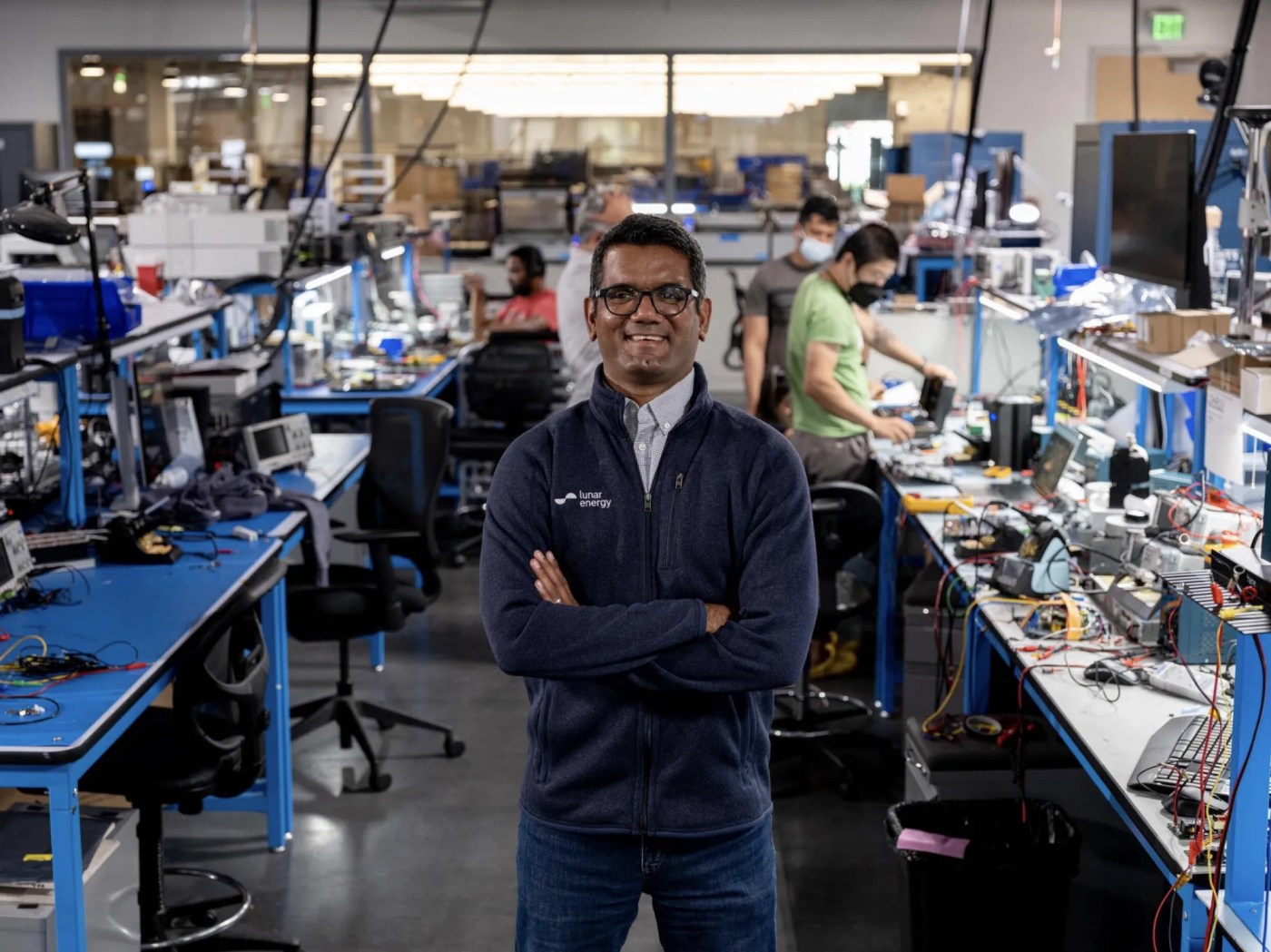
California-based Lunar Energy develops software that helps optimize home batteries to charge when electricity is cheap and send stored energy back to the grid when demand is high. It also began deploying its own batteries by working with distributors last year. The firm has about 2,000 installations across California, said Kunal Girotra, who left Tesla to found Lunar about six years ago.
The new funding includes a $102 million Series D round led by B Capital and Prelude Ventures, as well as a previously unannounced $130 million Series C round. Lunar will use it to expand battery sales in new markets, such as Texas, Puerto Rico and Hawaii. Girotra said his startup is close to being valued at $1 billion, though he declined to provide specific details.
The US added nearly 4.9 gigawatt-hours of home energy storage in 2025, up almost 60% from the prior year, according to an estimate by BloombergNEF. That can help homes keep the lights on during extreme weather and help utilities improve grid management while avoiding firing up so-called natural gas peaker plants during periods of high demand.
But the installation surge last year was spurred in part by homeowners rushing to buy batteries before tax credits for individuals expired on Dec. 31st, raising concerns that momentum may not continue into 2026. Girotra said he remains confident about the future demand, though, and Lunar is ramping up battery production capacity to 100,000 units per year by the end of the decade, a fivefold increase from what the startup will be able to manufacture this year.
Girotra attributed part of his optimism to the fact that tax credits for leased residential batteries remain in place through the end of 2027. Battery costs are also expected to continue falling as well.
“Storage is going to be a really important part of the future,” said Mary Powell, chief executive officer of Sunrun Inc., the country’s largest residential solar installer and one of Lunar’s investors. “Skyrocketing utility rates in many parts of the country and decreasing reliability” are in part driving homeowners to buy “storage for peace of mind,” she added.
The company’s software can also help homeowners save — or even earn — money by helping sync batteries in different homes, allowing them to function like a power plant. Since it began operations in 2022, Lunar has helped transform nearly 2 gigawatt-hours’ worth of battery capacity — enough to meet the daily energy needs of roughly 68,000 American homes — into virtual power plants, said Girotra.
The company estimates that, on average, customers participating in its virtual power plant program earn $464 per year from utilities paying for the power put back on the grid. Lunar’s software is used by utilities in Japan, Europe and a dozen US states, and Lunar plans to expand into more markets.
The home battery market is attracting more interest from established companies and startups. Tesla has installed more than 1 million systems worldwide while Texas-based startup Base Power raised $1 billion last year, indicating Lunar will face stiff competition.
Despite the growing interest, there are hurdles for wider adoption. The Trump administration restricts tax credits for projects using battery materials sourced from China, and finding an alternative supply chain is a daunting task, Girotra said.
The threat of tariffs on Chinese batteries and components also adds another layer of risk for American battery makers. Even so, the cumulative installed capacity of residential storage systems in the US is set to reach 24.7 gigawatt-hours by 2030, almost double 2025 levels, according to BNEF.
More stories like this are available on bloomberg.com
©2026 Bloomberg L.P.
The Mercury News




Leave a Reply