
Facing a substantial maintenance backlog and continued revenue challenges, San Jose could ask voters if they would support a measure on next year’s ballot as a potential financial lifeline for its park system — with a sugary-drink tax or another attempt at a parcel tax among the options.
The city’s deferred maintenance backlog has swelled to more than half a billion dollars, and a survey conducted in the fall found that 75% of participants agreed that San Jose needed more funding to sustain its parks.
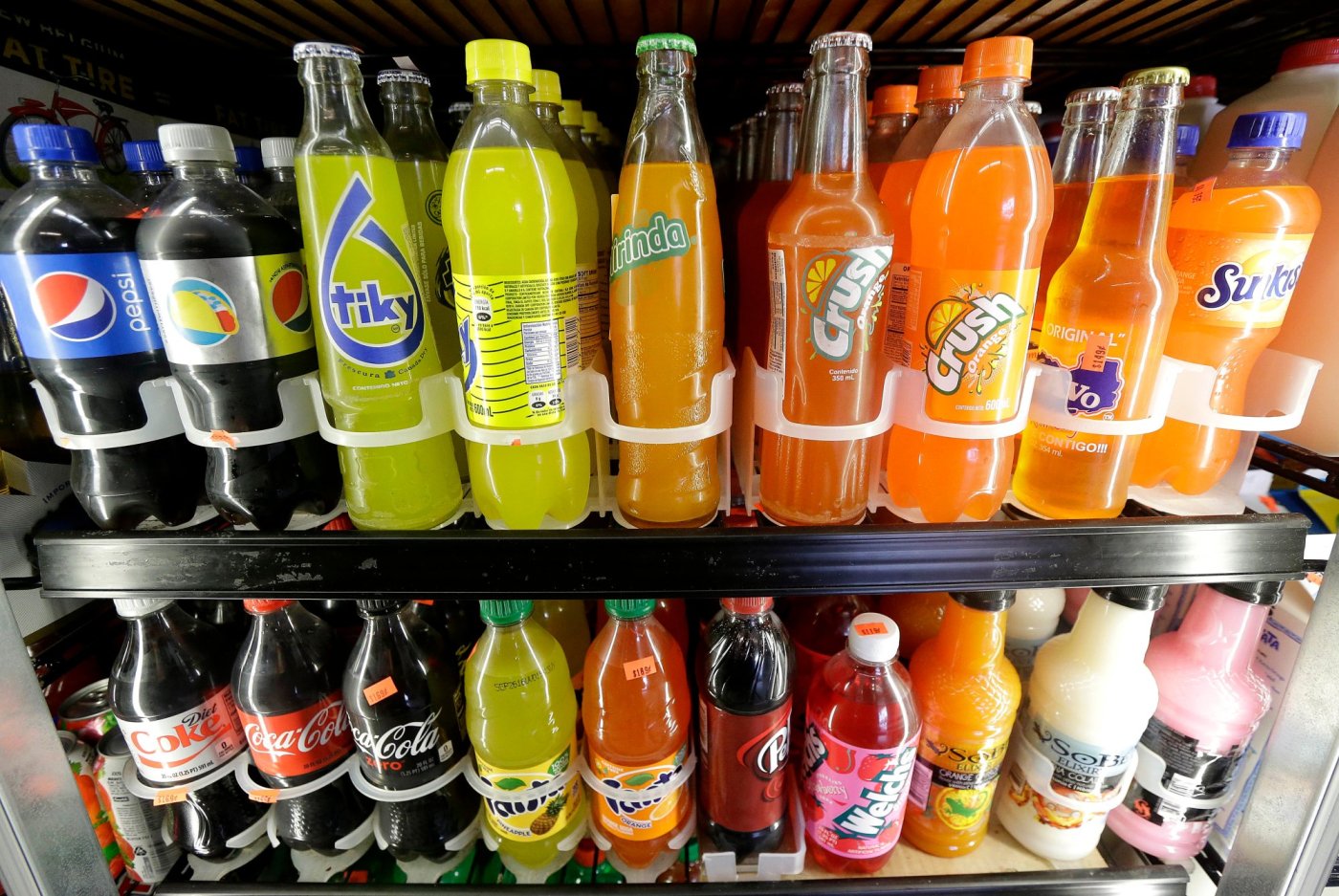
One option is for San Jose is to enact a tax on sugar-sweetened beverages.
Santa Cruz became the most recent Bay Area city to enact such a tax after voters greenlit their own measure in November 2024. It includes sodas, energy and sports drinks and sweetened coffees and teas, while carving out exemptions such as for milk, baby formula, alcohol and naturally sweetened beverages.
Public Information Manager Amanda Rodriguez said that a two-cent-per-ounce tax on sugar-sweetened beverages in San Jose could bring in approximately $27 million per year and garner more support because of the health benefits and the fact that excise taxes represent a choice to use a particular good, unlike the case with property taxes, which voters might feel forced upon them.
“People can choose whether or not they pay this tax by drinking or not drinking sugary beverages,” Rodriguez said. “The County of Santa Clara’s Public Health Department reached out to our department earlier this year with data that shows a (sugar-sweetened beverage) tax in San Jose could reduce childhood obesity and chronic diseases associated with sugary drinks, in addition to the health care savings the county could see.”
Meanwhile, the city last explored putting a parcel tax that would have cost the average homeowner $69 on the ballot to fund its parks two years ago, but punted on the idea after polling revealed a high level of uncertainty the measure would pass, with voters expressing the sentiment that they were being squeezed by already high taxes.
Recent polling indicated that 54% of residents supported the concept — short of the two-thirds threshold needed for its passage — and the city has begun an education campaign in hopes of making some headway with the 21% of swing voters who will be essential in determining the success of such a measure.
Whatever form it arrives in, District 5 Councilmember Peter Ortiz believes some kind of ballot measure is necessary.
“This is all something our city desperately needs,” Ortiz said during this month’s Neighborhood Services and Education Committee meeting. “With a staggering maintenance backlog and a system that has far outgrown its funding, dedicated revenue isn’t just helpful — it’s actually essential. A 2026 ballot measure could finally give us the long-term stable funding required to reverse decades of underinvestment and truly sustain our parks for the future.”
The city’s park system is funded through a combination of construction and conveyance taxes, development fees, general fund dollars, gifts, grants and partnerships. However, there are limitations on what each can be used for. Development fees, for example, cannot be used for maintenance.
Among the 15 most populous cities in the state, San Jose ranks last in its per capita investment in park maintenance at $37 per resident, according to the city’s Parks, Recreation and Neighborhood Services Department. By comparison, San Francisco ranks first at $310 per resident.
Rodriguez said that since its peak year in 2003, when the city had nearly 230 employees caring for its parks, staffing has now dropped to about 180 employees, despite San Jose’s park acreage growing from almost 1,500 to 1,800 acres. Even with the city contracting out services, Rodriguez said that represents a 14% reduction in staffing and a 12% increase in acreage over the past two years.
“The general fund is subject to economic fluctuations, and once budget cuts are made, it’s hard to recover and build back those resources,” Rodriguez said. “ In addition, if day-to-day park maintenance isn’t met, it can lead to higher costs as deferred maintenance can get worse.”
While initial polling in May 2024 on the parcel tax idea was just short of the two-thirds threshold, voter support later dropped to 59% for three parcel tax options, including a half-cent-per-square-foot option or a flat $35 fee.
Before the 2024 election, city officials also acknowledged that the ballot was stacked with other local and statewide measures, including statewide climate and housing bonds, potentially leading to “cannibalization.”
Should voters support a parcel option in 2026, a one-cent-per-square-foot tax could generate $37 million per year, while a two-cent tax could generate $74 million. The one-cent tax would mean that parks investment per resident would rise to $75, putting San Jose in line with Oakland.
Should additional polling indicate that any park revenue measure is viable, Rodriguez said the city’s administration would bring forward recommendations during the upcoming budget discussions.
The sugary-drink tax could have benefits beyond revenue. Numerous academic studies, including in California, have shown that sugar-sweetened beverage taxes have led to reduced consumption and better health outcomes, such as lower body mass index, heart disease, and diabetes, since Berkeley passed the first modern-era soda tax in 2014. A UC Berkeley study found that three years after Alameda County municipality passed its tax, soda consumption was down 52%.
University of Pennsylvania Professor Christina Roberto also testified about the benefits of Philadelphia’s tax in late October at its Committee on Labor and Civil Service, citing a 22% decrease in cavities among adults on Medicaid, as well as other studies showing reductions in obesity and gestational diabetes.
But such a tax would no doubt be controversial. It is considered a regressive tax because lower-income households are disproportionately affected.
The American Beverage Association and other trade groups also sued Santa Cruz in May, alleging that the tax violated the state’s Keep Groceries Affordable Act, which was passed in 2018.
While that prevented local governments from imposing new taxes or fees on groceries until 2031, the Third District Court of Appeal held that the law’s penalty provision, which would have stripped local governments of some of their sales tax revenue, was unconstitutional.
“We’re monitoring that lawsuit with our colleagues in the city attorney’s office, and their first court date is expected in March 2026, so a lot more to come on this,” Rodriguez said.
The Mercury News






Leave a Reply